Category: Blogging

  • Choosing the Right Coating for Your Pool

    Choosing the Right Coating for Your Pool

    When you own a pool, the right coating ensures lasting beauty and safety. A good coating protects the surface and adds to your enjoyment. It’s important to understand your options and choose wisely. This guide will help you navigate different types of pool coatings and their benefits.

    Understanding Pool Coatings

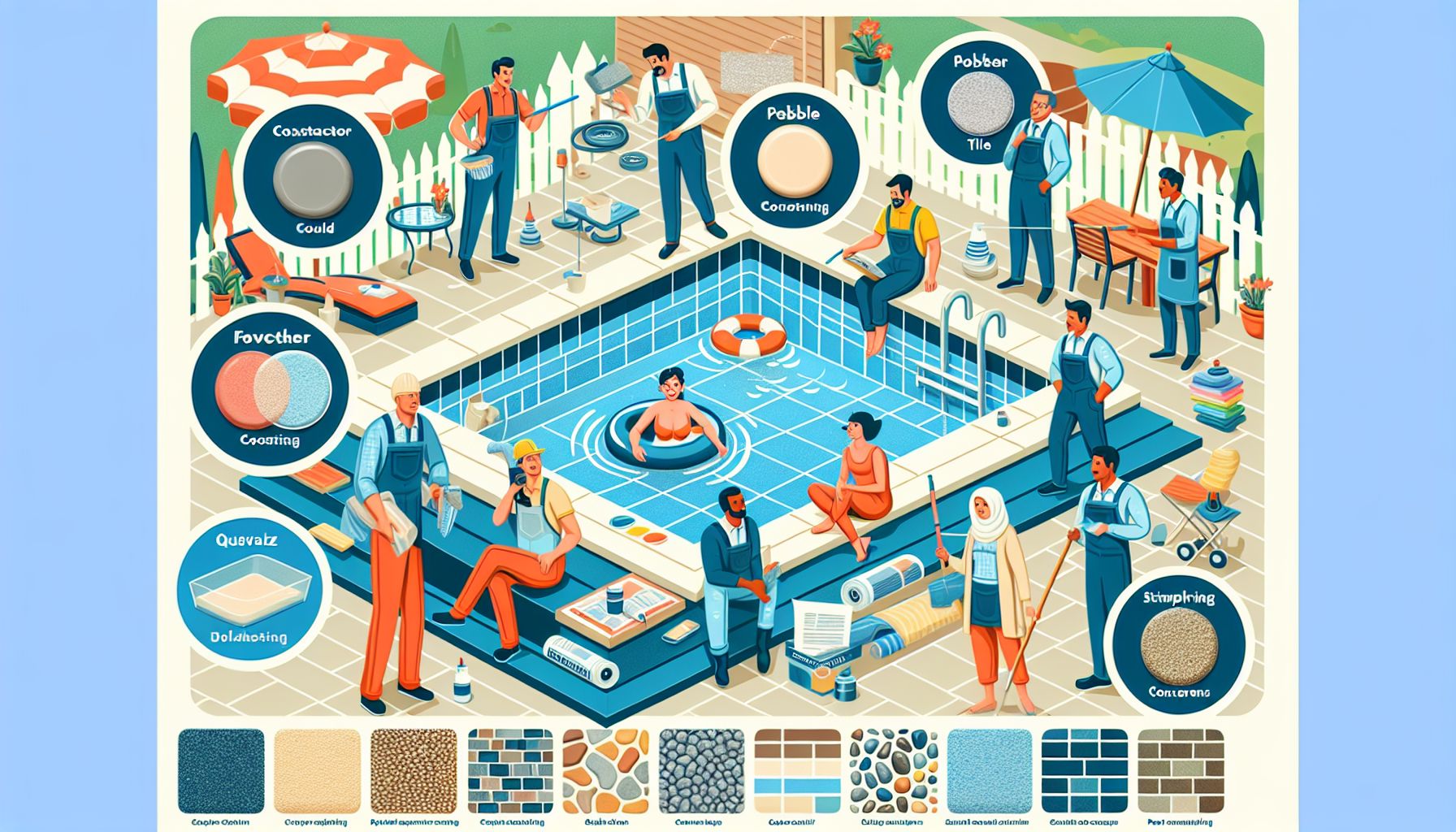
    A pool coating serves as a protective layer over the pool’s surface. It prevents damage from chemicals, weather, and wear. The choice of coating impacts maintenance, appearance, and longevity. Here are three main types of pool coatings: paint, plaster, and tiles.

    Paint

    Pool paint provides a budget-friendly option. It can make an old pool look new. Available in different colors, it allows for personalization. However, paint fades with time and requires regular touch-ups. When applying paint, prepare the surface thoroughly for the best results.

    Plaster

    Plaster offers a more traditional approach. This option provides a smooth finish that feels pleasant on the skin. Plaster is durable but can stain and crack over time. To extend its life, regular maintenance is crucial. Acid washing can help restore the surface to its original condition.

    Tiles

    Tile coatings bring elegance to pools. They come in various designs and colors, allowing for unique styles. Tiles are highly durable and relatively easy to clean. However, installation can be costly and requires skilled labor. Proper installation plays a significant role in the tiles’ longevity.

    Benefits of Different Coatings

    Choosing the correct pool coating affects your experience. Each type provides unique benefits. Consider what matters most to you when making this choice.

    Aesthetic Appeal

    Your pool’s look influences your backyard’s overall feel. Paint allows for quick color changes. Plaster surfaces appeal with their smooth, clean look. Tiles offer artistic possibilities. Choose a coating that reflects your style while enhancing your outdoor space.

    Durability and Maintenance

    Some coatings require frequent upkeep, while others withstand the elements better. Paint might need reapplication every few years. Plaster generally lasts longer but still needs maintenance. Tile can last for decades with proper care. Assess how much time and effort you want to invest in upkeep.

    Safety Concerns

    Safety is paramount for pool owners, especially if children or pets are present. Textured coatings can prevent slips. Make sure your chosen coating provides a safe surface. The right finish can add grip and reduce the risk of accidents.

    Environmental Impact

    Considering the environment is essential in today’s world. Some coatings contain chemicals that may harm the ecosystem. When selecting a pool coating, look for eco-friendly options. Sustainable materials can reduce your environmental footprint, contributing to a healthier planet.

    Choosing Eco-Friendly Options

    Eco-friendly coatings reduce harmful chemical use, benefiting both you and the environment. Look for products labeled as low-VOC (volatile organic compounds). These coatings are less harmful to indoor air quality and clean better than traditional options.

    Cost Considerations

    While budget often influences choices, it should not be the only factor. Each pool coating has an initial cost and a lifetime cost. Paint is inexpensive upfront but needs frequent reapplication. Plaster offers a mid-range solution, while tiles present a higher initial investment. Consider long-term costs when making your decision.

    Long-Term Investment

    A pool is a long-term investment, and so is its coating. When factoring in time and resources for maintenance, a higher quality coating can save money in the long run. Investing in a durable option can lead to reduced upkeep costs and more extended enjoyment.

    Installation Process

    Understanding the installation process of your chosen coating will help in planning. Each type requires different techniques and expertise.

    Professional vs. DIY

    While some homeowners may choose to do it themselves, hiring a professional ensures proper application. Professionals have the tools and expertise for the best finish. Discussing the process with a contractor before starting will help set expectations.

    Timeline

    Each coating has a different installation timeline. Paint can often be applied quickly, while plaster and tiles may take longer. Consult with your contractor for an accurate estimate based on your project scope.

    Summing It Up

    Choosing the right coating for your pool is essential for maintenance, safety, and beauty. Consider your options—paint, plaster, or tiles—and how they align with your goals. Assess factors such as aesthetics, durability, environmental impact, and costs. An informed choice will enhance your pool experience for years to come.

    With the right knowledge, you can make a confident decision. Protect your investment and enjoy your pool to the fullest. The right coating will not only improve the visual appeal of your space but will also enhance the joy of owning a pool.

  • The Art of Pool Coatings: A Guide to Choosing the Right Finish

    The Art of Pool Coatings: A Guide to Choosing the Right Finish

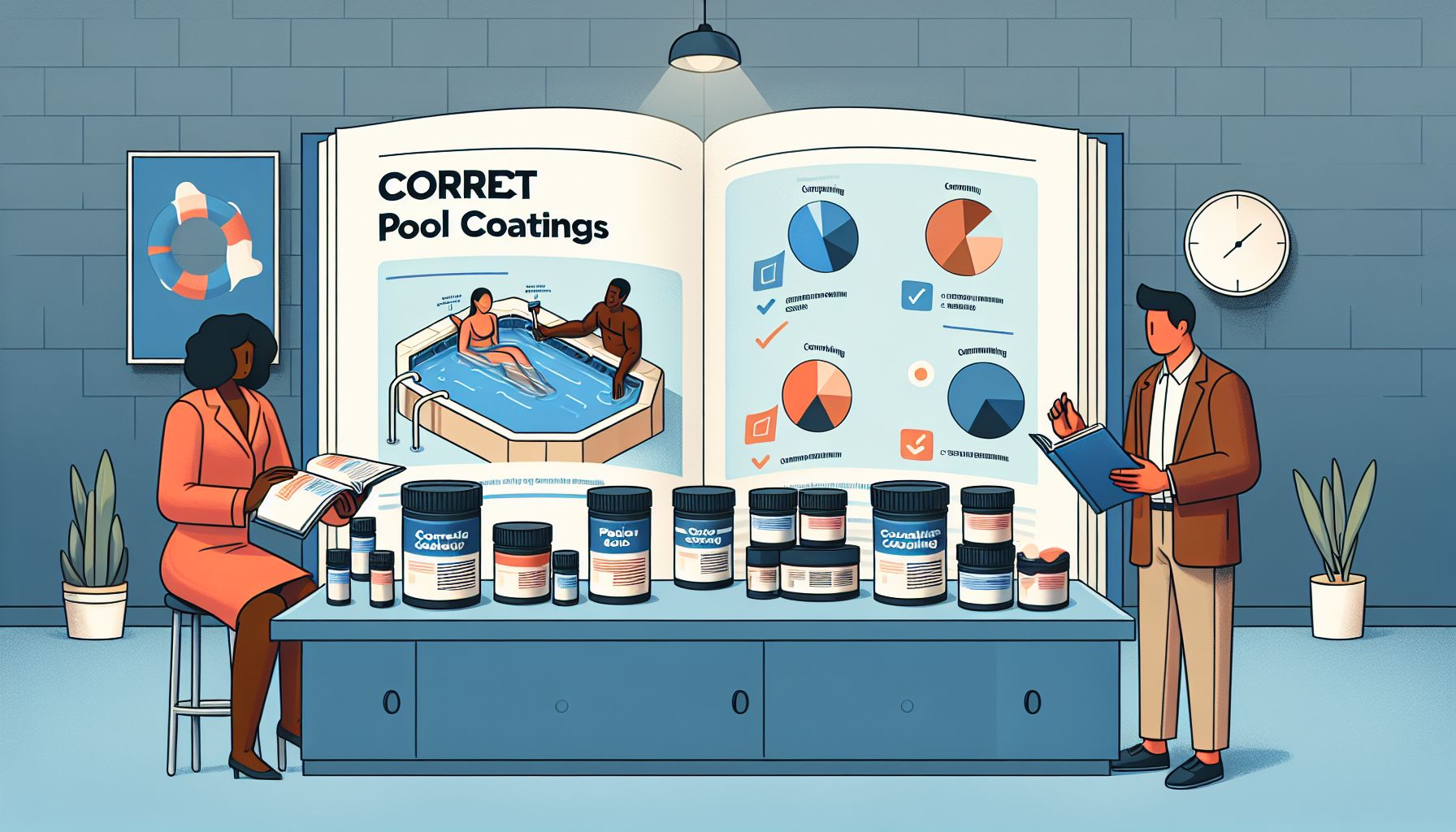
    When designing a pool, many elements come into play. One important aspect often overlooked is the pool’s coating. This choice affects not only the pool’s appearance but also its longevity and maintenance needs. Understanding the different types of pool coatings helps you make a better decision for your aquatic space.

    What Are Pool Coatings?

    Pool coatings are protective layers that cover the pool’s surface. They serve several purposes. First, they safeguard the underlying structure from damage. Water, chemicals, and sunlight can all cause wear over time. Second, coatings enhance the aesthetic appeal of a pool. They can add color, texture, and even slip resistance. Lastly, they influence the ease of maintenance. Some coatings make cleaning simpler, while others may require more effort.

    Common Types of Pool Coatings

    Several materials are available when it comes to coating a pool. Each has unique properties that suit different needs.

    Plaster

    Plaster is one of the oldest coating materials. It consists of a mixture of cement, sand, and water. Plaster finishes create a smooth, glossy surface, which many pool owners find desirable. While traditional white plaster remains popular, you can now find various colors and textures. This variety allows for customization to suit individual preferences.

    Plaster requires periodic maintenance but can last for many years if cared for properly. Regular cleaning and monitoring can help avoid issues like staining or cracking.

    Pebble Finish

    For a more textured surface, consider a pebble finish. This option combines small stones with cement for a natural, rugged look. Pebble finishes are durable and slip-resistant, making them ideal for families with children. They also offer excellent resistance to chemicals and ultraviolet light.

    Though more costly than plaster, the longevity and unique appearance of a pebble finish often justify the investment. Additionally, they require minimal maintenance, saving time and effort in the long run.

    Tile

    Tile coatings provide a classic touch to pools. Ceramic, glass, or porcelain tiles can line the pool’s walls and floor, elevating its overall beauty. Furthermore, tiles are resilient and can withstand harsh conditions, making them an excellent choice for various climates.

    Installation demands a higher skill level, potentially increasing costs. However, once installed, tile surfaces are easy to clean and maintain. They also offer options for intricate designs or patterns, enabling creative expression.

    Epoxy Coating

    Epoxy coatings offer a modern alternative to traditional finishes. This type consists of a resin and hardener that creates a strong, waterproof bond. Epoxy not only protects the surface from wear and chemicals but also allows for unique color choices.

    Installation may be more complex, requiring professional help. However, users often appreciate the smooth, non-porous finish that minimizes algae growth.

    Factors to Consider When Choosing a Coating

    Selecting the right pool coating involves several considerations. Understanding your needs will guide your choice.

    Climate

    The climate in which your pool resides impacts your coating choice. In regions with harsh sunlight, UV-resistant coatings may be essential. In cooler climates, a material that withstands freezing may take precedence. Additionally, areas prone to heavy rains might require coatings that resist moisture damage.

    Usage

    How often you use your pool also matters. High-traffic pools necessitate durable coatings that can withstand frequent use. If children or pets are regularly swimming, slip-resistant options may enhance safety.

    Aesthetic Preference

    The visual appeal should also guide your decision. Bright colors and patterns can create a lively atmosphere. Alternatively, more subdued tones might lend an air of elegance. Tailoring your choice to your personal style enhances your enjoyment of the space.

    Budget

    Finally, budget considerations play an important role. Costs can vary significantly between different coatings. While some options may have a higher upfront cost, their longevity can make them more economical in the long run. Multiply the maintenance expenses over time to paint a clearer picture of overall costs.

    Maintenance of Pool Coatings

    After selecting a coating, understanding its maintenance needs is essential. Each type features different requirements.

    For plaster surfaces, regular brushing and vacuuming help maintain cleanliness. Monitoring chemical levels in the water keeps the coating in good condition.

    Pebble and tile finishes, being more durable, often require less frequent maintenance. Simple rinsing and occasional scrubbing suffice to keep these surfaces looking fresh.

    Epoxy coatings generally need less attention, mostly benefiting from routine inspections. Checking for signs of wear ensures they remain protective and visually appealing.

    Conclusion

    Choosing the right pool coating is more than just selecting a finish. It influences the appearance, durability, safety, and maintenance of your pool. Understanding the options available equips you to make an informed decision. Whether you prefer the timeless beauty of tile, the durability of pebbles, the smoothness of plaster, or the modern appeal of epoxy, each has its benefits.

    Investing time in research will help you create a beautiful and functional pool that meets your unique needs. With the right coating, your pool can be a source of enjoyment for years to come.

  • Choosing the Right Coatings for Your Pool

    Choosing the Right Coatings for Your Pool

    When you own a pool, keeping it in good condition is important. One key to maintaining your pool is the right coating. Pool coatings offer protection and can enhance the appearance of your swimming area. This article explores various options for pool coatings, their benefits, and factors to consider when choosing the right one for your needs.

    Understanding Pool Coatings

    Pool coatings come in different materials and types. They serve multiple purposes: protecting the pool’s surface, preventing leaks, and providing a comfortable surface for swimmers. Common materials for these coatings include plaster, tiles, vinyl, and epoxy. Each has its unique characteristics, advantages, and disadvantages.

    Plaster Coatings

    Plaster coatings are popular for their natural look and durability. Commonly made of a mix of cement, sand, and water, plaster provides a smooth surface for swimming. It also allows for custom finishes, giving pool owners a chance to select colors and textures that please them.

    However, plaster can be porous. This means it may require regular maintenance, including acid washes and reapplications every few years. For those who prioritize natural beauty and don’t mind periodic upkeep, plaster coatings can be a solid choice.

    Tile Coatings

    Tile coatings offer a more elegant appearance. They come in various styles, colors, and patterns, allowing for creative designs. Besides aesthetics, tile provides excellent durability and resistance to chemicals, which makes it a favorite among pool owners.

    Yet, tiles do have some drawbacks. The grout between the tiles can stain or deteriorate, requiring maintenance and occasional replacement. Additionally, tile can feel colder underfoot compared to other options. With careful consideration, tile coatings can provide both a beautiful and functional surface.

    Vinyl Coatings

    Vinyl coatings present a budget-friendly option for pool owners. This flexible material comes in a sheet form and is installed over a prepared surface. Vinyl is known for its smooth surface, which feels comfortable to the touch. It is also easy to clean and resistant to algae growth.

    One downside to vinyl is its susceptibility to tears or punctures. Sharp objects can damage the surface, requiring repairs or replacement. For families with young kids or pets, careful monitoring and maintenance of vinyl can help mitigate these issues.

    Epoxy Coatings

    Epoxy coatings stand out for their strength and resistance to water. Made of resin, epoxy creates a hard, durable surface that can withstand harsh pool chemicals and constant exposure to moisture. This makes it an excellent choice for longevity and maintenance.

    The installation process for epoxy can be more complex compared to other options, requiring professional help. Epoxy also offers limited color choices compared to tile or plaster. However, if you prioritize durability and ease of maintenance, epoxy coatings can be a wise investment.

    Factors to Consider

    When choosing the right coating for your pool, consider several factors. First, think about your budget. Different coatings come with various price points, and the long-term maintenance costs can vary significantly.

    Next, assess your climate. Some coatings perform better in specific conditions. For instance, in areas with harsh winters, you might prefer a material that withstands freeze-thaw cycles.

    Also, keep in mind the style and atmosphere you want for your pool area. Consider the design options that each material presents. Your choice should reflect your personal taste while also fitting with the overall aesthetics of your property.

    Lastly, consider your maintenance preferences. Some coatings require more upkeep than others. Understanding how much time, effort, and resources you are willing to invest in maintaining your pool can guide your decision-making process.

    The Final Decision

    Choosing the right coating for your pool involves a careful balance of aesthetics, functionality, and maintenance. Spend time researching the options and understanding the specific characteristics of each material. Make sure to consult professionals who can provide insights based on your unique pool design and environmental factors.

    Ultimately, your choice of pool coating affects not just the look of your pool but also its longevity and usability. Take your time. A well-informed decision will lead to greater enjoyment of your pool for years to come. Enjoy the process, and soon you’ll have a beautiful, inviting pool that is the centerpiece of your outdoor space.

  • How to Open a Pool for the Summer in 10 Steps

    Getting your pool ready for the summer can be daunting, so it’s important to approach it methodically. Here’s a detailed guide with tips and data to help you prepare your pool for a season of fun.

    Step 1: Removing the Pool Cover


    To start, carefully remove the pool cover. Make sure to clean off any debris and water before removing it to avoid contaminants getting into the pool. Once done, allow the cover to dry, wash it with soap and water, and store it in a cool, dry spot.

    Step 2: Checking and Cleaning the Pool


    Before filling the pool, thoroughly inspect it for any signs of damage or wear. Look out for cracks, leaks, or issues on both the pool surface and its surroundings. Use a pool brush to scrub any dirt, algae, or debris that may have built up during the winter term on the pool’s walls and floor.

    Step 3: Reconnecting Pool Equipment


    Reconnect all your pool equipment, including the pump, filter, heater, and other accessories that were disconnected during winter. Check them for wear or damage. Replace any parts that need attention. Make sure all connections are secure before proceeding.

    Step 4: Refilling the Pool


    If the water level has gone down, simply use a garden hose to top up the pool to that level. Make sure that the water reaches up the pool skimmer opening, for filtration.

    Step 5: Check and Balance Water Quality


    Testing and balancing your pool water is important to ensure a swimming environment. A pool water testing kit monitors chlorine, pH, alkalinity, and calcium hardness levels. Adjust as necessary to keep them within these ranges;

    Chlorine; 1.0 to 3.0
    pH; 7.2 to 7.8
    Alkalinity: 80 to 120
    Calcium Hardness: 200 to 400 ppm

    Step 6: Give Your Pool a Shock


    To get rid of any lingering bacteria or algae, it’s recommended that you shock your pool with a high dose of chlorine. This step is especially crucial if your pool has been closed for a period of time. For the dosage, follow the instructions on your chlorine shock treatment.

    Step 7: Clean Up Your Filter


    Before running your pool filter system, make sure to clean it. Whether you have a sand cartridge or a diatomaceous earth (DE) filter, removing any debris or dirt that may have built up during winter is essential.
    A maintained filter helps to keep the water clean and circulating effectively.

    Step 8: Run the Pools Filtration System


    Operate the filtration system in your pool for a minimum of 24 hours to ensure the filtering and treatment of all water. This step is crucial for the distribution of chemicals throughout the pool and the elimination of any remaining impurities.

    Step 9: Check and Maintain Safety Gear


    Inspect all safety equipment in your pool, such as ladders, handrails, and covers, to ensure they are securely fitted and functioning properly. Also examine pool alarms and fencing to ensure they comply with safety regulations and are operational.

    Step 10: Conduct a Final Assessment


    Check the pool area for any potential dangers, like loose tiles or sharp edges, and address them promptly. Verify that all pool toys and accessories are clean and in shape before allowing swimmers to use them.

    Insights & Figures


    Energy Efficiency Tip: The U.S. Department of Energy suggests that using a pool cover can cut heating expenses by up to 70% while reducing water evaporation by 30%. Investing in an energy cover can lead to cost savings.
    Water Conservation Fact: The Environmental Protection Agency (EPA) estimates that an uncovered pool loses 1,000 gallons of water per month due to evaporation.
    Using a cover for your pool can significantly decrease water loss, helping to preserve this resource.
    Regarding Health and safety, a study featured in the Journal of Environmental Health revealed that maintaining pool water properly can lower the risk of water-related illnesses during activities by 90%. It is essential to test and balance pool chemicals to ensure the well-being and safety of swimmers.


    In Conclusion


    Preparing your pool for summer fun necessitates planning and attention to detail. By following these ten steps and considering the insights provided, you can guarantee your pool is safe, clean, and ready for enjoyment throughout the season. Consistent upkeep and maintaining the chemical balance are factors that create a healthy swimming environment,, allowing you to enjoy your pool all summer long.