How to Open a Pool for the Summer in 10 Steps
Getting your pool ready for the summer can be daunting, so it’s important to approach it methodically. Here’s a detailed guide with tips and data to help you prepare your pool for a season of fun.
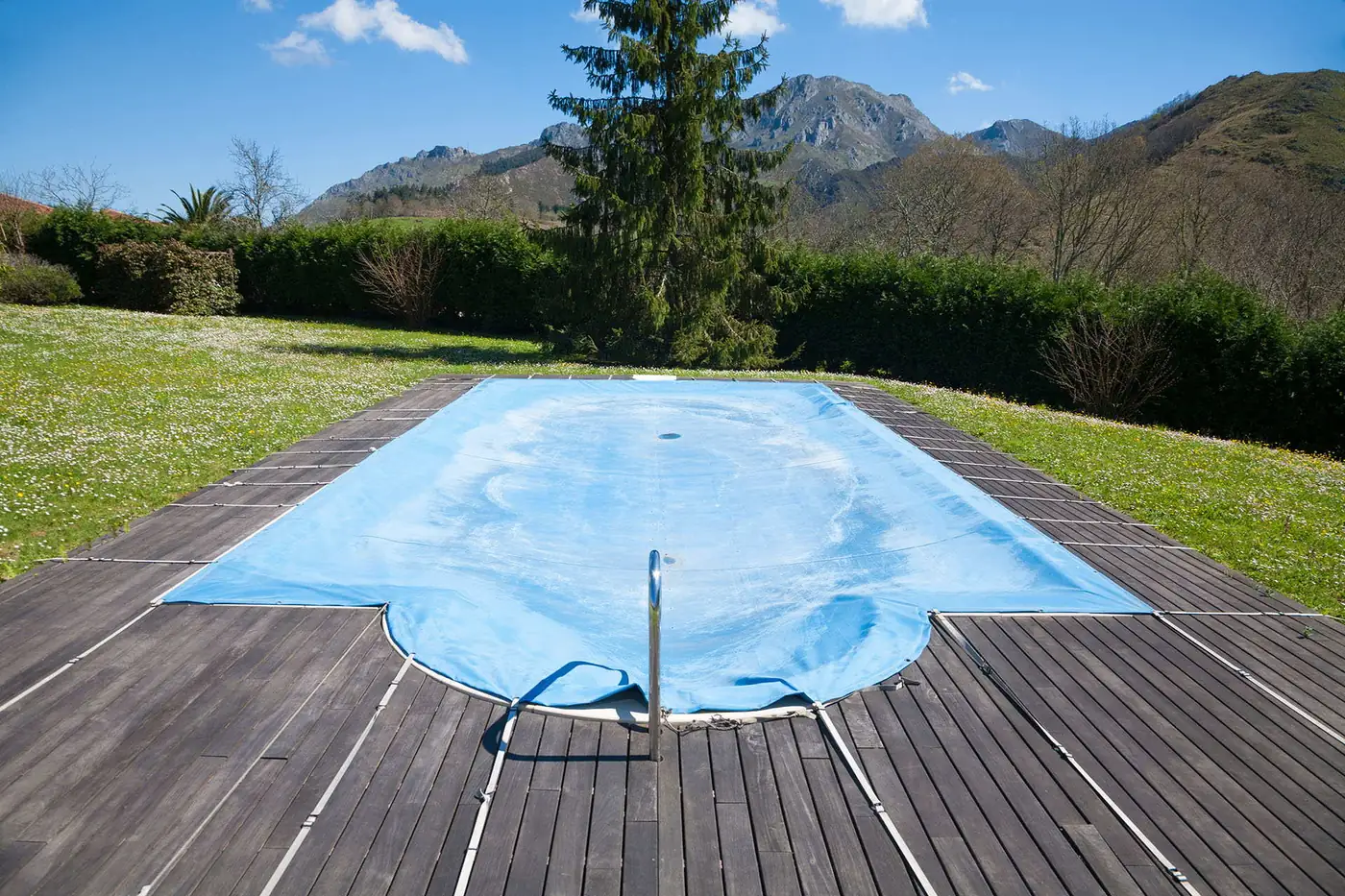
Step 1: Removing the Pool Cover
To start, carefully remove the pool cover. Make sure to clean off any debris and water before removing it to avoid contaminants getting into the pool. Once done, allow the cover to dry, wash it with soap and water, and store it in a cool, dry spot.
Step 2: Checking and Cleaning the Pool
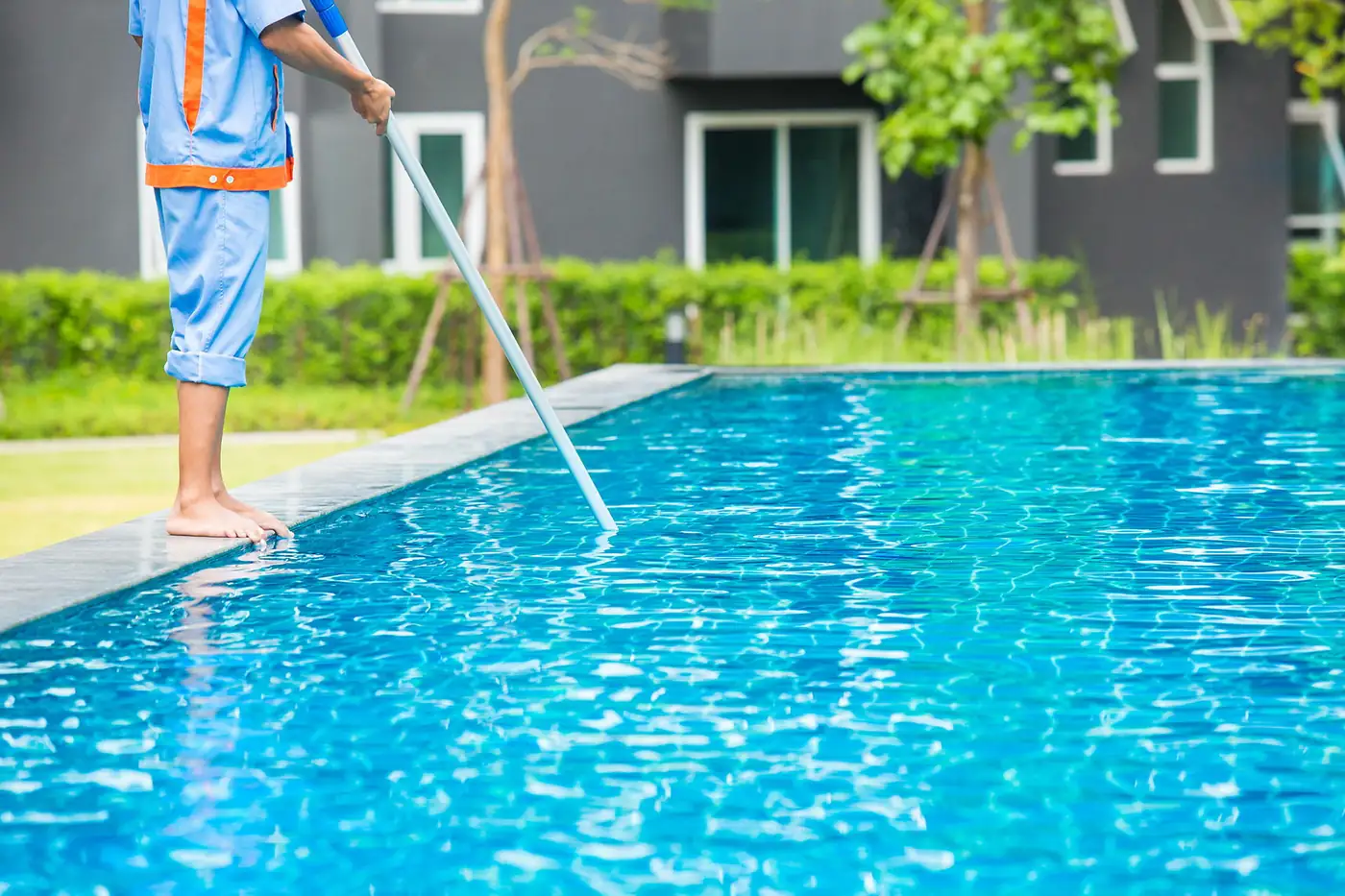
Before filling the pool, thoroughly inspect it for any signs of damage or wear. Look out for cracks, leaks, or issues on both the pool surface and its surroundings. Use a pool brush to scrub any dirt, algae, or debris that may have built up during the winter term on the pool’s walls and floor.
Step 3: Reconnecting Pool Equipment
Reconnect all your pool equipment, including the pump, filter, heater, and other accessories that were disconnected during winter. Check them for wear or damage. Replace any parts that need attention. Make sure all connections are secure before proceeding.
Step 4: Refilling the Pool
If the water level has gone down, simply use a garden hose to top up the pool to that level. Make sure that the water reaches up the pool skimmer opening, for filtration.
Step 5: Check and Balance Water Quality
Testing and balancing your pool water is important to ensure a swimming environment. A pool water testing kit monitors chlorine, pH, alkalinity, and calcium hardness levels. Adjust as necessary to keep them within these ranges;
Chlorine; 1.0 to 3.0
pH; 7.2 to 7.8
Alkalinity: 80 to 120
Calcium Hardness: 200 to 400 ppm
Step 6: Give Your Pool a Shock
To get rid of any lingering bacteria or algae, it’s recommended that you shock your pool with a high dose of chlorine. This step is especially crucial if your pool has been closed for a period of time. For the dosage, follow the instructions on your chlorine shock treatment.
Step 7: Clean Up Your Filter
Before running your pool filter system, make sure to clean it. Whether you have a sand cartridge or a diatomaceous earth (DE) filter, removing any debris or dirt that may have built up during winter is essential.
A maintained filter helps to keep the water clean and circulating effectively.
Step 8: Run the Pools Filtration System
Operate the filtration system in your pool for a minimum of 24 hours to ensure the filtering and treatment of all water. This step is crucial for the distribution of chemicals throughout the pool and the elimination of any remaining impurities.
Step 9: Check and Maintain Safety Gear
Inspect all safety equipment in your pool, such as ladders, handrails, and covers, to ensure they are securely fitted and functioning properly. Also examine pool alarms and fencing to ensure they comply with safety regulations and are operational.
Step 10: Conduct a Final Assessment
Check the pool area for any potential dangers, like loose tiles or sharp edges, and address them promptly. Verify that all pool toys and accessories are clean and in shape before allowing swimmers to use them.
Insights & Figures
Energy Efficiency Tip: The U.S. Department of Energy suggests that using a pool cover can cut heating expenses by up to 70% while reducing water evaporation by 30%. Investing in an energy cover can lead to cost savings.
Water Conservation Fact: The Environmental Protection Agency (EPA) estimates that an uncovered pool loses 1,000 gallons of water per month due to evaporation.
Using a cover for your pool can significantly decrease water loss, helping to preserve this resource.
Regarding Health and safety, a study featured in the Journal of Environmental Health revealed that maintaining pool water properly can lower the risk of water-related illnesses during activities by 90%. It is essential to test and balance pool chemicals to ensure the well-being and safety of swimmers.
In Conclusion
Preparing your pool for summer fun necessitates planning and attention to detail. By following these ten steps and considering the insights provided, you can guarantee your pool is safe, clean, and ready for enjoyment throughout the season. Consistent upkeep and maintaining the chemical balance are factors that create a healthy swimming environment,, allowing you to enjoy your pool all summer long.
Still have a question about this?
Ask a Pool Tech