Robotic vs. Suction vs. Pressure Pool Cleaners
Automatic cleaners save hours of vacuuming. How the three types work, what each is best at, and how to choose for your pool and debris.
Key takeaways
- Robotic cleaners are self-contained and do the most thorough job, including walls.
- Suction cleaners are inexpensive but load your filter and need a strong pump.
- Pressure cleaners handle leaves well and catch debris in their own bag.
- Pick based on your debris type: fine dirt, leaves, or both.
An automatic cleaner turns vacuuming from a weekly chore into a quick check. There are three main types, and each one fits a different pool and debris situation.
Robotic cleaners
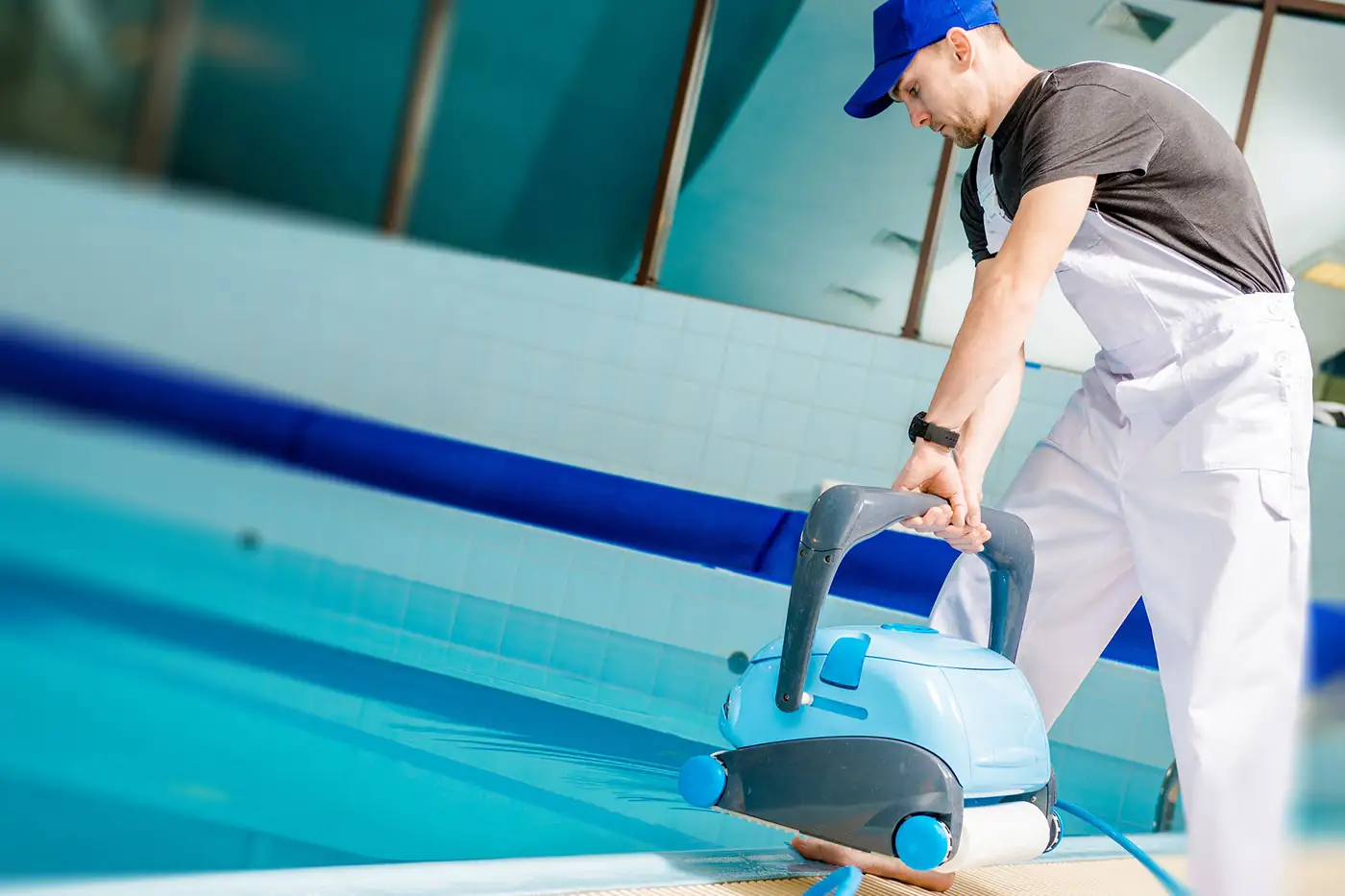
Robots have their own motor and filter and plug into a low-voltage power supply. They scrub and vacuum independently of your pool pump.
- Pros: most thorough cleaning; many climb walls and scrub the waterline; reduce load on your filter; energy-efficient.
- Cons: highest upfront price; you empty their onboard filter; the cable and robot need to come out of the pool for storage.
Suction-side cleaners
These connect to the skimmer or a dedicated suction port and use your pool pump’s suction to move around and pick up debris.
- Pros: least expensive; simple with few parts.
- Cons: send all the debris to your pump basket and filter; need adequate pump flow (which can mean higher pump speed); can struggle with large leaves.
Pressure-side cleaners
These connect to a return line (sometimes with a booster pump) and use water pressure to move and to blow debris up into an attached bag.
- Pros: great with leaves and larger debris; keep debris out of the filter.
- Cons: many models need a booster pump, which adds energy cost.
Which should you choose?
| Your situation | Best fit |
|---|---|
| Fine dirt and sand, want the cleanest finish | Robotic |
| Lots of leaves | Pressure-side (or a robot with a large-debris canister) |
| Tight budget, light debris | Suction-side |
| Variable-speed pump you want to keep on low | Robotic |
Smooth surfaces are easier to clean and grip. Rough or deteriorating finishes wear cleaner tracks and brushes faster and give algae more places to hide.
Still have a question about this?
Ask a Pool Tech